
Three Chip Makers Copied Their Fabs Into NVIDIA's Computer in Four Days
The 3D render is the poster. The MES is the product.
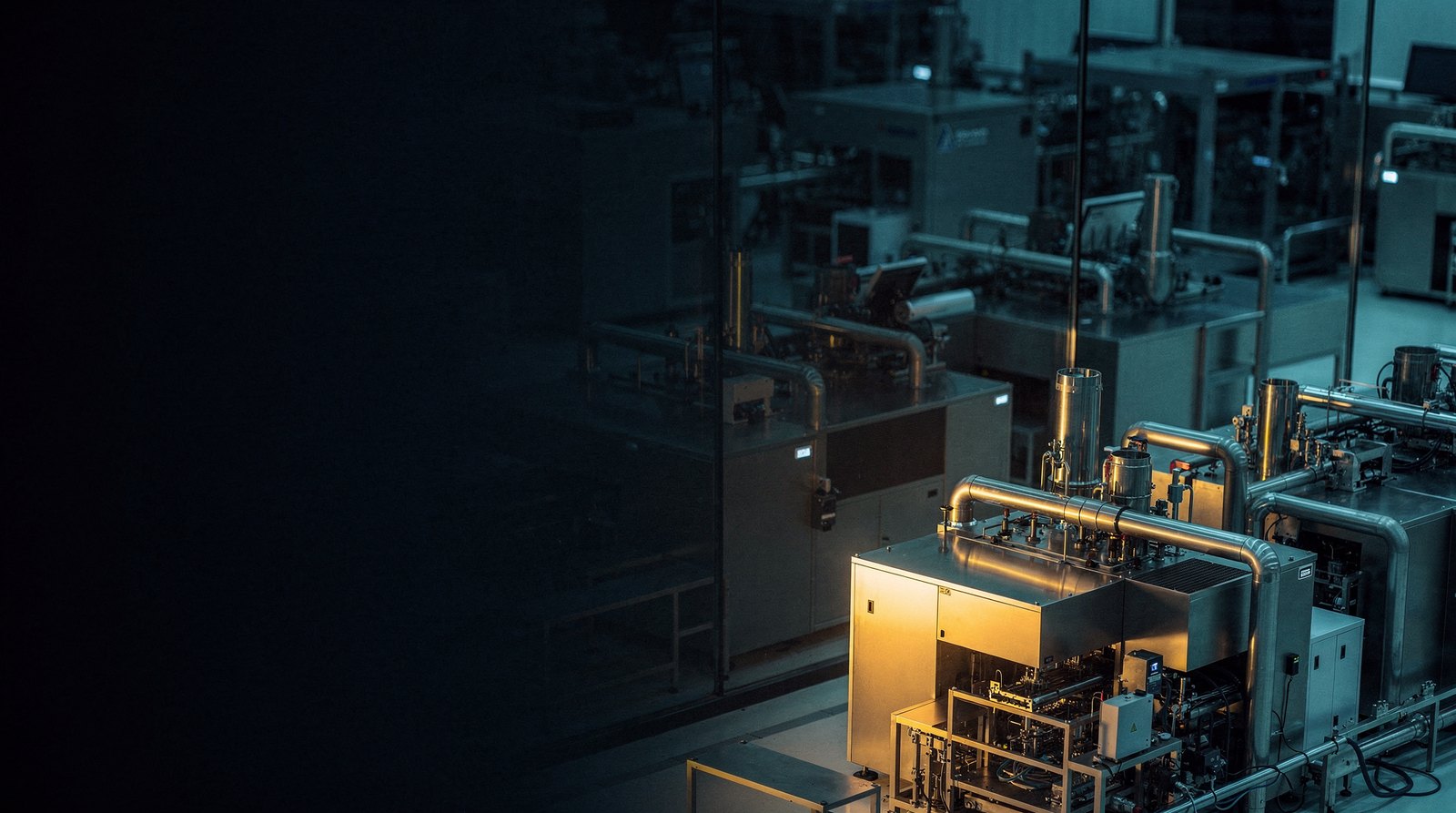
The object this week · generated illustration, no people, no brands
Video
This one has not been published to the channel yet. Subscribe on YouTube and it will turn up there.
Over to you
Are you seeing fab-twin projects where you are yet — and is the data layer ready for them, or still the bottleneck?
Argue with me on LinkedInSources
References for this piece are in the pinned comment on the video. Nothing is cited here that cannot be linked.
Full transcript, 194 spoken words
Three of the biggest chip makers on Earth just copied their entire factories into NVIDIA's computer… in FOUR days.
But that jaw-dropping 3D fab everyone's resharing? That's the EASY part. The real story is what's underneath it.
June 1st — SK hynix drops its memory fabs into NVIDIA Omniverse. The partner's stock jumps THIRTEEN percent in a day. June 4th — Micron does the exact same thing. Samsung and TSMC? Already did it last fall.
Here's what nobody's telling you. A digital twin is only as smart as the live data feeding it. And that data doesn't come from the graphics — it comes from the M-E-S. The software tracking every wafer, every recipe, every tool… in real time.
That's why roughly EIGHTY percent of digital-twin projects die in the pilot. Not a rendering problem. A data-plumbing problem.
So the pretty cleanroom you're looking at? It's the poster. The M-E-S integration is the actual PRODUCT. And the engineer who governs that data layer isn't getting replaced… they just became the most important person in the fab.
If you want to understand how the autonomous fab actually gets built — follow. I break down one of these every week.
Keep reading
All pieces
The Real AI Shortage Is Memory, Not GPUs
Your next laptop just got about 20% more expensive. The reason is HBM, and HBM is a yield problem.
The Real AI Chip War Is Not About Beating Nvidia
The company quietly winning it is not in most of the headlines.
A Fab That Runs Itself by 2030. Everyone Is Staring at the Wrong Part.
The autonomous fab is an MES story before it is an AI story.